Swimming during pregnancy and after birth: Find calm and well-being in the water

Swimming is one of the gentlest and most pleasant ways to keep your body active, both during pregnancy and in the postpartum period. The water provides a unique feeling of lightness, allowing the body to move without the same strain you experience on land. For many, the pool becomes a safe haven where they can feel freedom of movement, no matter how far along they are on their journey to motherhood.
Swimming during pregnancy: Weightlessness in a time of change
As the belly grows, many find it a relief to get into the water. For many, swimming is the ideal form of exercise during pregnancy, because the water naturally relieves pressure on joints, back, and pelvis.
At the same time, it can provide a feeling of weightlessness when the body otherwise feels heavier in everyday life. It's not about distance or speed, but about well-being. Gentle strokes and movement in the water support circulation and offer a mental break from the sensation of heaviness.
Many also choose to participate in dedicated pregnancy swimming. Here, the exercises are adapted for a pregnant body, and the focus is often on gentle movements, breathing, and relaxation. This not only provides physical well-being but for many also offers a pleasant respite and a sense of community with others in the same situation.
Is it safe? For most people, swimming is a safe form of exercise. However, it is important to always listen to your body and take breaks if you get tired. If your pregnancy is complicated, you should always discuss your exercise routine with your midwife or doctor first.
Swimming after childbirth
After childbirth, swimming can be a gentle way to return to movement. The water feels gentle on the body, and you can move without too much strain. However, it is important to give yourself time.
Your body needs rest to heal after childbirth. It can be a good idea to wait to swim until you are ready and any wounds have healed. If you are unsure when you can start postpartum exercise, talk to your doctor or midwife.
Swimsuit with a focus on support and nursing
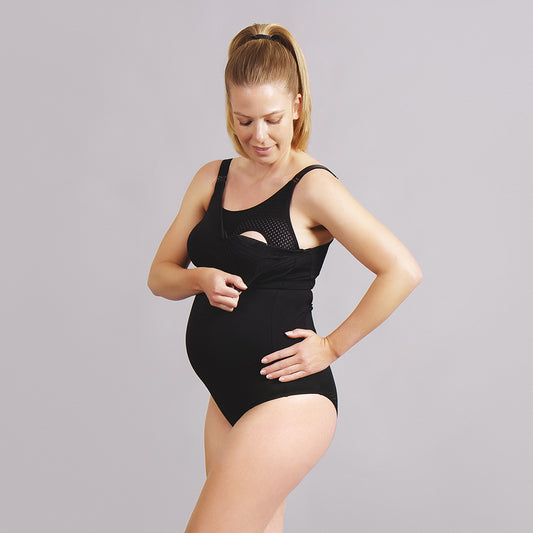
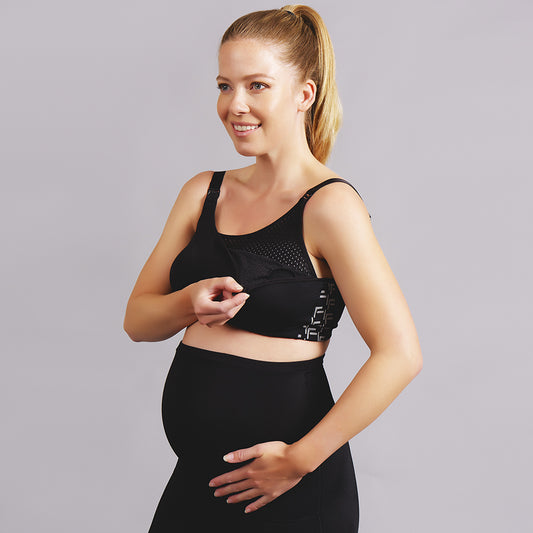
When you are active in the water, it makes a big difference to have swimwear that adapts to your body's changes. We have designed our swimwear to support the bust and provide room for the belly, so you can focus on enjoying your time in the water rather than adjusting your clothes.
If you are breastfeeding, our Mami maternity and nursing swimsuit can be a good solution, as the discreet nursing features make it easy to nurse before or after swimming. If you prefer a classic design, our Maternity Swimsuit – The Original can also be easily used both during and after pregnancy. The flexible materials provide room for the growing belly and support the bust, so you feel comfortable throughout the entire journey.
Movement at your own pace
Swimming can be a gentle way to move through both pregnancy and postpartum. Some use it as dedicated exercise, while others use it for calm and relaxation. Both are valuable.
The most important thing is to listen to your body and move at a pace where you feel safe. When movement feels good, it can become a support through a period of many changes. If you need more guidance for your wardrobe, you can read our complete guide to nursing bras and nursing wear, so you are well-dressed for the many needs of everyday life.
Knowledge base: Danish Health Authority, Sundhed.dk, NHS, American College of Obstetricians and Gynecologists (ACOG).