Pregnancy leave, maternity leave and parental leave

The maternity leave period is a unique time when you, as parents, get the opportunity to take time off work and bond with your newborn child. The rules for maternity leave in Denmark changed in August 2022, and it can sometimes be a jungle to navigate what is what.
Here, you'll find an overview of the different types of leave and how you can stay active throughout the entire period.
What you need to know about your maternity leave
If there are changes to your plans – for example, if you wish to return to work earlier than planned, or if you want to take a holiday – it is important that you update your information. In Denmark, this is done digitally via Min Barsel.
In short, parents collectively have the right to:
- 4 weeks of pregnancy leave
- 10 weeks of maternity leave
- 2 weeks of paternity or co-maternity leave
- 32-46 weeks of parental leave
In total, this amounts to 52 weeks of leave.
Types of maternity leave in Denmark
1. Pregnancy Leave
This is your right as a pregnant person to take 4 weeks of leave before your due date. If the birth occurs before the due date, the leave is shortened. If you exceed the due date, the leave is extended accordingly.
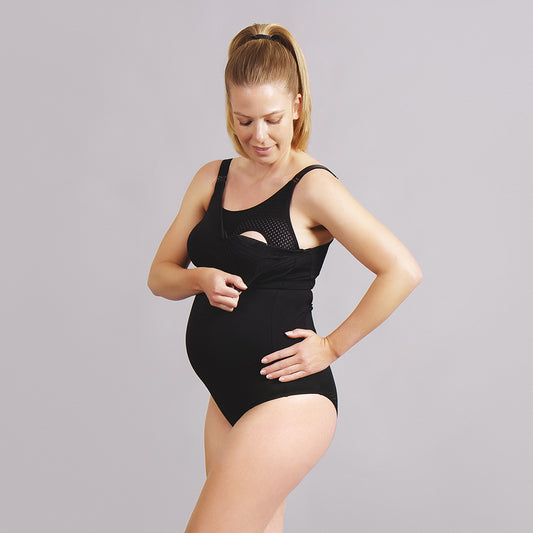
Exercise during this period: It's a good idea to plan an active lifestyle, but don't set unrealistic goals. A realistic goal could be 10 minutes of pelvic floor training daily. You can also benefit from participating in pregnancy swimming, which is a gentle and safe way to move in water where the body feels lighter. See our selection of maternity swimwear here.
2. Maternity Leave
Maternity leave begins the day after birth. As a mother, you are entitled to 10 weeks of maternity leave, of which the first 2 weeks are reserved for you, while the other parent can take the subsequent 8 weeks. If the mother is unable to care for the child, the other parent can take over this period.
Postnatal rehabilitation: The body has been under great stress, and rehabilitation is the way to regain strength. It's about rebuilding the pelvic floor, abdominal muscles, and back.
- Pelvic floor training: Kegel exercises are essential for strengthening the pelvic floor after birth.
- Abdominal muscle rehabilitation: Exercises such as planks and deep breathing exercises can help to bring together and strengthen the rectus abdominis muscles.
- Posture: Focus on exercises that strengthen the back and shoulders to counteract the strain the baby puts on your body.
- Cardio training: Once your doctor gives the green light, you can gradually resume walking, swimming, or cycling. Read more in our guide to postnatal exercise here.
Remember: Rehabilitation is individual. Always consult a doctor or a physiotherapist – you can read more at Vejle Bækkenklinik .
3. Paternity Leave (other parent)
Your partner is entitled to 2 consecutive weeks of leave immediately after birth, which can be taken within the first 10 weeks.
4. Parental Leave
This leave is taken after the child's 10th week. Both parents are entitled to 32 weeks of parental leave each. You can choose to take the leave simultaneously or consecutively. Be aware that the right to maternity benefits varies: the mother is entitled to 14 weeks of leave with benefits, and the partner is entitled to 22 weeks of leave with benefits (of which 9 weeks are reserved for each).
An active life with your child: Baby swimming
Once you have recovered from childbirth, baby swimming is a fantastic activity. It takes place in heated pools and builds water confidence and water skills in your child from an early age. It promotes the child's motor development, coordination, muscle strength, and balance, while also strengthening the bond between parent and child.
Always ensure you participate through qualified instructors to ensure the child's safety and well-being in the water environment.
We at MyBelly support you every step of the way. Find inspiration for an active journey in our guide to exercise during pregnancy and after childbirth .