Mastitis: How to prevent breast inflammation

Mastitis can feel overwhelming when it occurs. Therefore, it makes good sense to ask:
Can it be avoided – and what can you do yourself?
While mastitis cannot always be completely prevented, there is much you can do yourself to reduce the risk and create good conditions for breastfeeding.
The most important thing: ensuring the breast is emptied
One of the most common causes of mastitis is milk accumulating in the breast.
When the breast is not emptied regularly, it can create engorgement and, in the worst case, develop into inflammation.
Therefore, it is important to be aware of:
- regular breastfeeding
- letting the baby finish feeding at the breast
- responding to breast engorgement
The better the breast is emptied, the lower the risk of problems.
Ensure good latch technique
An effective latch technique makes a big difference.
When the baby has a good latch, the breast is emptied more evenly, reducing the risk of areas of accumulation.
If breastfeeding is painful, or the baby seems fussy at the breast, it may be a sign that the technique needs adjustment.
Avoid pressure on the breast
Pressure on the breast can affect milk flow and create areas where milk does not move freely.
This can happen, for example, due to:
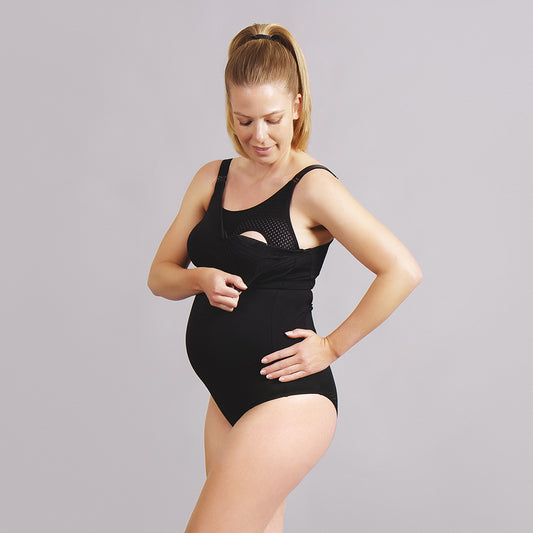
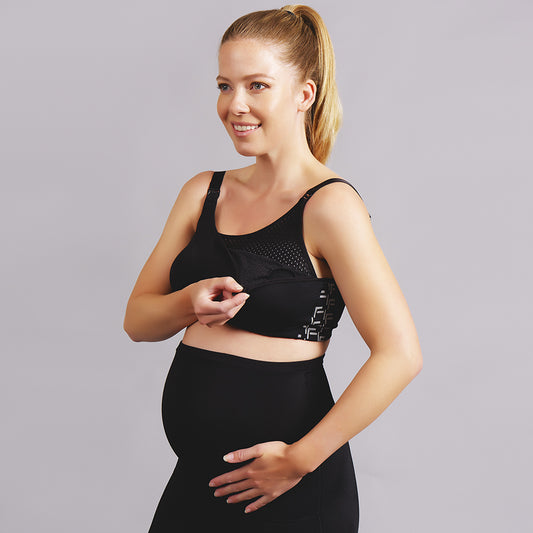
- tight clothing or bra - choose a nursing bra that gives you optimal support
- lying in the same position for a long time
- carrying the baby in a way that puts pressure on the breast
Small changes in everyday life can help prevent problems.
Vary your breastfeeding positions
When you change breastfeeding positions, different areas of the breast are stimulated and emptied.
This can help prevent tension from building up in one place.
It doesn't have to be complicated – small variations can be enough to create better balance.
React to the first signs
Mastitis rarely occurs suddenly without warning.
It often starts with:
- tenderness
- engorgement
- a feeling that something isn't quite right
If you react early, you can often stop the development.
Extra breastfeeding, rest, and attention to the area can make a big difference.
Allow your body to rest
Fatigue and stress can affect the body and make it more vulnerable.
In a period where everything is new and sleep is interrupted, it's not always easy – but even short breaks can be significant.
Allowing the body to recover is an important part of prevention.
It's not about doing it perfectly
Even if you do "everything right," mastitis can still occur.
It's not a sign that you've done something wrong – but part of the reality many face during the breastfeeding period.
When you focus on listening to your body and reacting to the signals, you give yourself the best conditions.
We recommend talking to a healthcare professional if you suspect mastitis!
If mastitis has already occurred
While prevention can make a big difference, mastitis can still occur. If you experience symptoms such as pain, fever, or redness in the breast, it is important to react quickly. You can read more about symptoms and treatment here.
Sources:
https://www.sundhed.dk/
https://www.nhs.uk/
https://www.llli.org/