Exercise during pregnancy and after birth

Exercise during and after pregnancy can be an important support for both body and mind. Many find that movement provides more energy, better sleep, and a stronger connection to the body through a period of great changes.
The body undergoes enormous development from pregnancy to postpartum, and therefore it makes sense to view exercise as a process that follows the body's pace. Exercise is not about pushing the body back to a previous shape, but about supporting it where it is right now.
Is it okay to exercise while pregnant?
In most cases, it is fine to exercise while pregnant, if the pregnancy proceeds without complications. In fact, regular movement is recommended because it can strengthen both physical and mental well-being throughout the process. Exercise can contribute to better circulation, less restlessness in the body, and a stronger body awareness.
The most important thing is always to adapt your training to your body's daily condition and listen to its signals. Exercise during pregnancy should feel safe and stable, and there should always be room for breaks. If you are in doubt, or if your pregnancy is characterized by complications, you should always consult your doctor or midwife.
How much can you exercise?
How much you can exercise as a pregnant person depends on your starting point, energy level, and how your body feels. Many can continue with moderate exercise several times a week, while others need a slower pace. Both are completely normal.
Some days the body has the energy for movement, other days it needs more rest. Exercise during pregnancy should be flexible and adaptable from week to week. It's not about performance, but about supporting the body through changes. If you want to dive into how to specifically adapt your training through the 1st, 2nd, and 3rd trimesters, we have compiled a complete guide for you.
What kind of exercise is good during pregnancy?
Many types of movement can work well, as long as the body feels safe. Walking, light strength training, swimming, and yoga are good ways for many to keep the body active. The focus should be on stability, breathing, and flexibility rather than high intensity.
It is also a good idea to pay attention to the pelvic floor and core muscles, which work extra hard during pregnancy. Gentle exercises focusing on connecting with the body can help create the stability and well-being your body needs.
When should you stop?
There is no fixed time when you should stop exercising as a pregnant person. Many can continue with light movement right up until birth, if the body feels safe and there is energy. The training will naturally change character as the belly grows and the body becomes heavier.
The most important thing is to respond to the body's signals. If exercise causes discomfort, pain, or feels wrong, you should adjust the intensity or take a break. Exercise should support the body – not push it.
Postpartum exercise – when and how?
After childbirth, the body needs time to recover. When you can start exercising again depends on the birth itself, the body's healing, and your energy level. For some, it feels good to start with light movement such as walks and gentle exercises, while others need more time. Read more about our approach to postpartum exercise here.
Postpartum exercise initially focuses on rebuilding the connection to the body. The pelvic floor and core muscles have been working hard and often need gentle rehabilitation. If you have had a C-section, there are special considerations for scars and abdominal tissue that require extra patience. You can read our specific advice for exercise after C-section to ensure a safe start.
Support your body with comfortable workout clothes
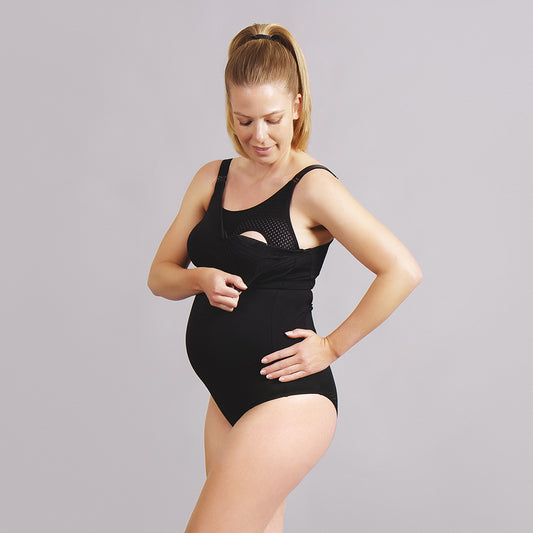
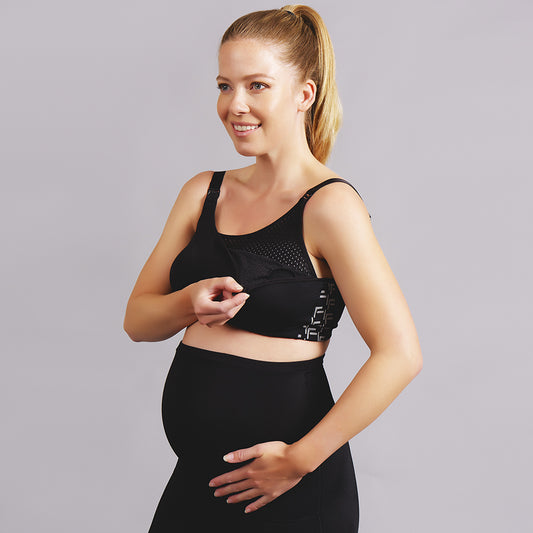
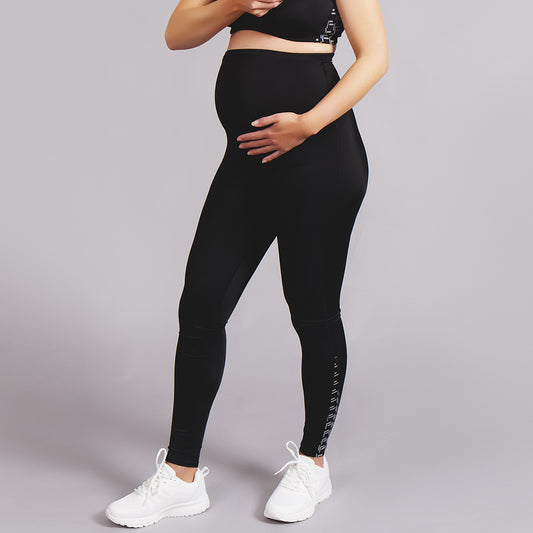
As the body changes, feeling well-supported during movement can make a big difference. Comfortable and flexible workout clothes can help the body move freely and without irritation:
- A sports bra with good support provides comfort during both yoga and light training and accommodates the pregnant or nursing body.
- Our high-waisted and flexible workout tights provide a feeling of stability around the stomach and lower back – they are perfect for both pregnancy and as support in the first period after birth.
Exercise as support throughout the journey
Exercise during pregnancy and after childbirth is not about pushing the body, but about supporting it. By moving at a pace that feels right, you can create more calm, strength, and energy during a period of great changes.
The body has already done enormous work. Exercise can be a way to meet it with care, patience, and respect.
Knowledge base: Danish Health Authority, Sundhed.dk, NHS, American College of Obstetricians and Gynecologists (ACOG).