Postpartum exercise: When and how to start again?

After giving birth, the body goes through a major adjustment. Regardless of whether you gave birth vaginally or by cesarean section, the body needs time to heal and find balance again. Many people therefore begin to ask themselves: When can you start exercising after giving birth ? And how do you get started in a way that feels safe?
Postpartum training is not about getting back into shape quickly. It's about rebuilding strength, stability, and body connection at a pace that both your body and energy levels can keep up with.
When can you start exercising after giving birth?
There is no one right time for everyone. When to start postpartum exercise depends on the birth, the body's healing, and energy levels. Some people feel comfortable starting with gentle movement soon after birth, while others need more rest.
The first few weeks after giving birth are often about recovery. The body has been through physical stress, and sleep deprivation can also affect energy. Therefore, it can make sense to start with small, calm movements such as short walks and light contact with the pelvic floor and breathing.
If you are unsure about when you can start exercising after giving birth, it may be a good idea to talk to your doctor or midwife.
Reconstruction over performance
Postpartum training is initially about rebuilding the body. The pelvic floor, abdomen and back have worked intensely through pregnancy and birth and need time to regain strength and stability.
Many people find that their bodies feel different in the months after giving birth. This is completely normal. Training should therefore be based on how the body feels now – not how it felt before pregnancy.
Calm strength, breathing exercises and light mobility can be good ways to start. As the body feels more stable, the training can gradually progress.
Listen to your body
The body often sends clear signals after giving birth. Fatigue, a feeling of heaviness in the pelvis or soreness can be signs that the pace needs to be adjusted. Postpartum exercise should feel strengthening, but not stressful.
Some days your body will be ready to move, other days it won't. Both are completely normal in the postpartum period.
Exercise after cesarean section
If you have had a cesarean section, your body also has a surgical wound that needs to heal. This can affect when and how you can start exercising again. Many people find that it makes sense to start slowly with gentle movement and gradually rebuild strength around the abdomen and back.
If you have had a cesarean birth, you can read our guide to exercising after cesarean for more specific guidance .
Small steps make a big difference
Postpartum exercise doesn't have to be advanced to be effective. Small, regular movements can make a big difference to both your body and your well-being. A short walk, light exercises on the living room floor, or simply reconnecting with your body is often a good place to start.
The most important thing is to create a sense of security in the body. When the body feels supported and ready, the training can gradually progress.
Support your body with the right workout clothes
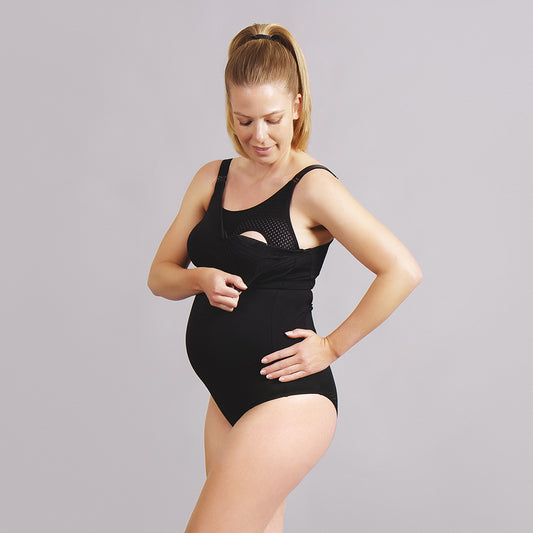
After giving birth, your body can feel vulnerable and changed. Comfortable and supportive workout clothes can make it easier to move and find your body again at a leisurely pace.
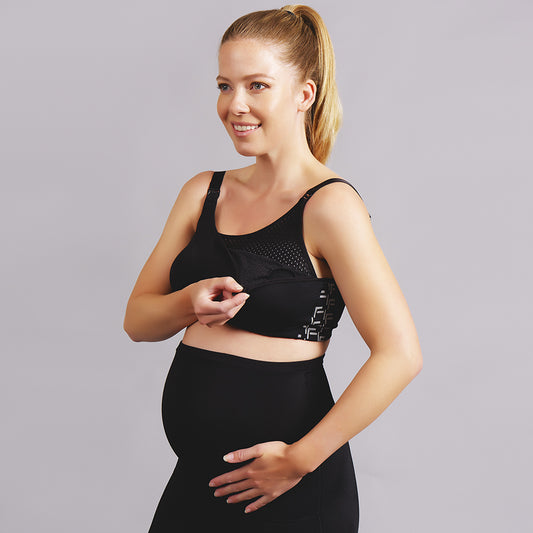
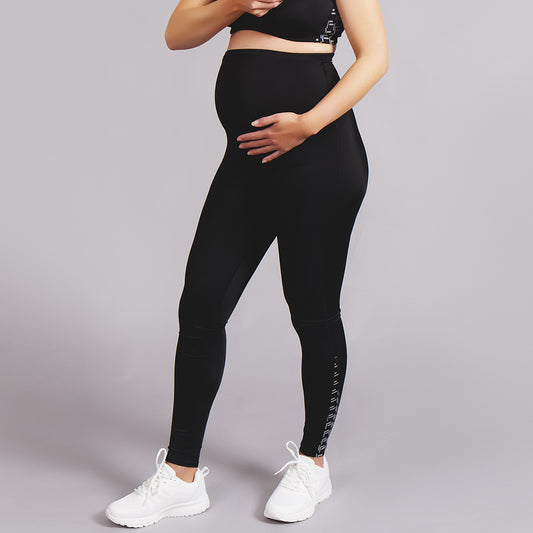
A soft, supportive sports bra can provide comfort during light exercise and walking, while flexible, high-waisted tights can support the stomach and lower back in the early stages. When the body feels well supported, it is often easier to focus on movement and well-being.
See our sports bra for pregnancy and postpartum:
https://mybelly.dk/products/sports-bra
Check out our high-waisted training tights:
https://mybelly.dk/products/hoejtaljede-traeningstights-gravid
Training at your pace
Postpartum exercise is a process that develops over time. For some it happens quickly, for others it takes longer. Both are completely normal. The body has gone through a big change and deserves patience.
By listening to your body and moving at a pace that feels right, training can become a support in your everyday life rather than a burden. The goal is not to get back on track quickly, but to rebuild your body with calm and respect.
Knowledge base: Danish Health Authority, Sundhed.dk, NHS, American College of Obstetricians and Gynecologists (ACOG)