Physically active during pregnancy

Benefits of Exercise Throughout Pregnancy
When you are pregnant, maintaining a certain level of regular physical activity is both important and rewarding, as it offers a wide range of positive health benefits for both you and your growing baby. Exercise during pregnancy is not about breaking personal records or pushing your body to its limits, but about maintaining cardiovascular health, strengthening your joints, and creating the best possible conditions for an uncomplicated pregnancy and delivery.
According to experts and health authorities, it is particularly relevant to focus on core stability—including the deep abdominal muscles, the back, and the pelvic floor. Exercises that strengthen these specific areas can effectively help prevent and relieve classic lower back and pelvic pain, which often arise as your center of gravity shifts. Among other things, you can find inspiration and simple, effective exercises for the pelvic floor here:
https://mybelly.dk/blogs/traening/baekkenbundsoevelser-gravid-og-efter-foedsel
Adapted / Gentle Register
- Register & Style: Uses an encouraging and informative tone suitable for health and lifestyle blogging.
- Terminology: Translates "opretholde en vis grad af fysisk aktivitet" to "maintaining a certain level of regular physical activity" to ensure natural flow for native English readers.
Pay Attention to Your Training
Even if you were used to exercising regularly and intensely before your pregnancy, it is important to continuously adapt your workouts as your body changes. The pregnancy hormone relaxin softens ligaments and joints, providing greater flexibility in the pelvis, but it also increases the risk of sprains and strain injuries.
You may also be more vulnerable in certain situations—especially in contact sports like handball and soccer or activities with a risk of falling, where others may not necessarily take your pregnancy into account. Therefore, it is generally recommended to avoid activities with a risk of hard impact or physical contact, but you can often still participate in modified parts of the training or switch to gentler forms of exercise such as swimming, walking, and prenatal yoga.
Listen to Your Body and Respect How You Feel
During pregnancy, many women experience significant fluctuations in energy levels, endurance, and overall well-being. What felt easy last week might suddenly feel overwhelming today.
Nausea, headaches, and pronounced fatigue can make it harder to find the motivation to stay active, especially during the first trimester—and that is completely normal. Your body is working overtime behind the scenes, building the placenta and significantly increasing blood volume, which demands a massive amount of energy.
The most important thing is never to perform or push yourself, but instead to listen to your body and find a level that feels completely right for you right now. Some days, a gentle stretching session or a brief walk in the fresh air is precisely what your body needs.
Many Benefits of an Active Pregnancy
Regular movement plays a major role in your physical and mental health. An active pregnancy can, among other things:
- Strengthen the pelvic floor muscles: Helps your body carry the extra weight and prevents incontinence both during and after pregnancy.
- Reduce the risk of pregnancy-related discomforts: Decreases the likelihood of swollen legs, constipation, leg cramps, and back pain.
- Improve muscle strength and flexibility: Prepares your body for the physical demands of labor and makes recovery easier afterward.
- Boost energy and improve sleep: Exercise releases endorphins that elevate your mood, lower stress levels, and promote deeper night sleep.
- Prevent complications: Lowers the risk of developing gestational diabetes and high blood pressure.
If you would like to dive deeper into how to structure your workouts safely and gently, you can read more in our comprehensive guide here:
https://mybelly.dk/blogs/traening/traening-under-graviditet-og-efter-foedsel
Find the Right Workout for Each Trimester
Your body's needs change rapidly throughout the nine months. In the first trimester, it is often about overcoming fatigue; in the second trimester, many experience a boost in energy; while the third trimester requires more focus on relief and preparing for birth.
It is always a good idea to speak with your doctor, midwife, or a physical therapist if you experience pain or are unsure which exercises suit you best.
You can also find plenty of inspiration and concrete exercise suggestions for the different trimesters here:
https://mybelly.dk/blogs/traening/traening-gravid-trimester
Join the MyBelly Community
Staying active on your own can sometimes feel overwhelming. At MyBelly, we offer a supportive community and platform where you can find motivation, expert knowledge, and inspiration to stay active safely during and after pregnancy. Together, we share experiences, tips, and good advice for the mother's body.
The Right and Comfortable Activewear
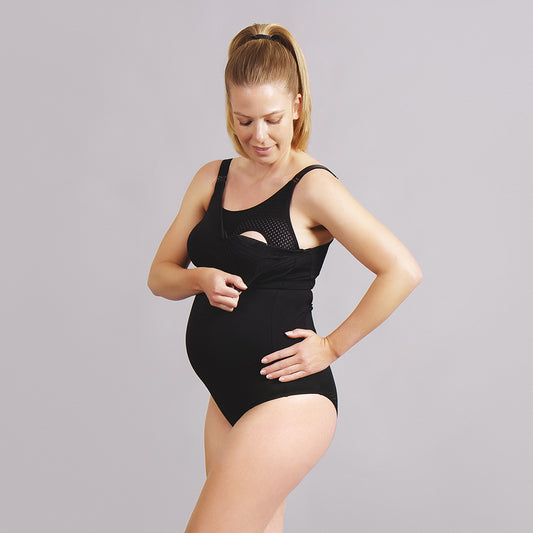
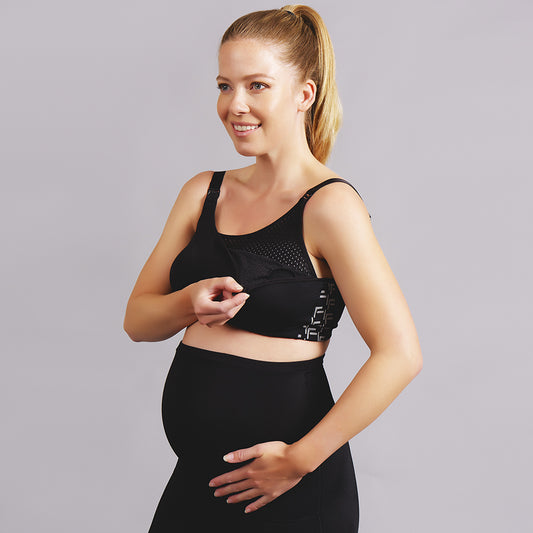
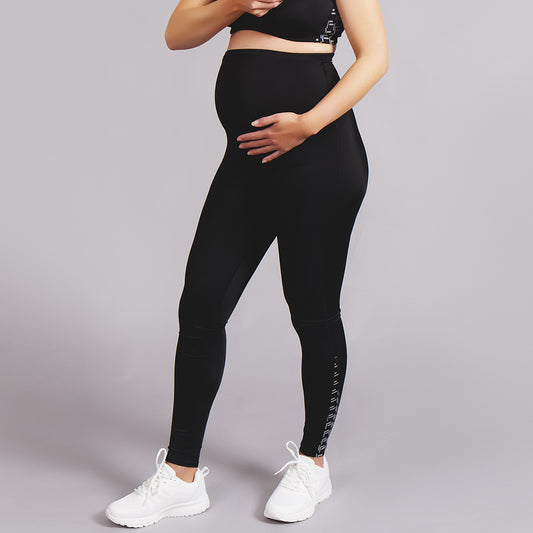
Comfort and support play a crucial role when exercising while pregnant. Clothes that pinch in the wrong places or slide down over your bump can quickly ruin the experience.
If you are looking for thoughtfully designed activewear that supports your bust, leaves room for your bump, and accommodates your changing body, explore our collection here:
https://mybelly.dk/collections/traeningstoej-gravid
Healthy mom, healthy baby – MyBelly