Pelvic floor exercises during pregnancy and after birth

The pelvic floor plays an important role during both pregnancy and postpartum. The muscles in the pelvic floor support the organs in the abdomen, stabilize the body, and are a central part of the body's core muscles. During pregnancy , the pelvic floor is stressed by the growing belly, and after childbirth, the muscles often need time and attention to regain strength and contact.
Pelvic floor exercises can be a gentle way to support the body throughout the process – both before and after birth.
What is the pelvic floor?
The pelvic floor is a layer of muscles that forms the floor of the pelvis. It supports the bladder, uterus and intestines and works closely with the abdominal and back muscles. During pregnancy, the pelvic floor is exposed to increased strain, and during childbirth, the muscles are stretched further.
It is completely normal for the pelvic floor to feel different after pregnancy and childbirth. Therefore, it can be a good idea to work on contact and strength through calm exercises.
Pelvic floor exercises during pregnancy
During pregnancy, pelvic floor exercises can help create better body contact and support the body as the belly grows. Many find that it provides a sense of stability and control in the body.
Pelvic floor exercises during pregnancy are not about constantly tensing, but about being able to activate and relax the muscles consciously. Good contact with the pelvic floor can also be a support in the period leading up to birth, when the body is working intensively.
Calm crunches and focusing on breathing can be a way to work with the pelvic floor without overloading the body.
Pelvic floor after birth
After giving birth, the pelvic floor has been through a lot of stress, and the muscles may feel weak or difficult to feel. For some, contact returns quickly, for others it takes longer. Both are completely normal.
Pelvic floor exercises after birth are initially about reconnecting with the muscles. Small, calm activations and attention to breathing can help the body gradually rebuild strength.
It is important to give your body time and avoid pushing. Pelvic floor rehabilitation is a process that develops over time.
Why is pelvic floor training important?
A well-functioning pelvic floor can contribute to:
- better body stability
- support for stomach and back
- better control of the lower abdomen
- increased body awareness
Pelvic floor exercises are not only relevant right after birth, but can be a support throughout pregnancy and the time after.
Pelvic floor and training
When you start exercising during or after pregnancy, the pelvic floor plays an important role. The muscles work together with the rest of the body and are part of the overall stability. By having contact with the pelvic floor, many people can find that the body feels more stable during movement.
If you are resuming exercise after giving birth , it may be a good idea to combine pelvic floor exercises with calm reconstruction of the rest of the body.
Also read our guide to exercise after giving birth to get an overview of how to safely get back into exercise.
Listen to your body
Pelvic floor exercises should feel safe and calm. If exercises cause discomfort or feel too intense, it is important to adjust the pace. The body needs time to rebuild strength and stability after pregnancy and childbirth.
Some days the contact will feel clear, other days less so. It is a natural part of the process.
Support and comfort in everyday life
After pregnancy and childbirth, feeling comfortable in your body can make a big difference – even when you move. Soft and supportive clothing can provide a sense of stability around your belly and pelvis and make it easier to find peace in your body.
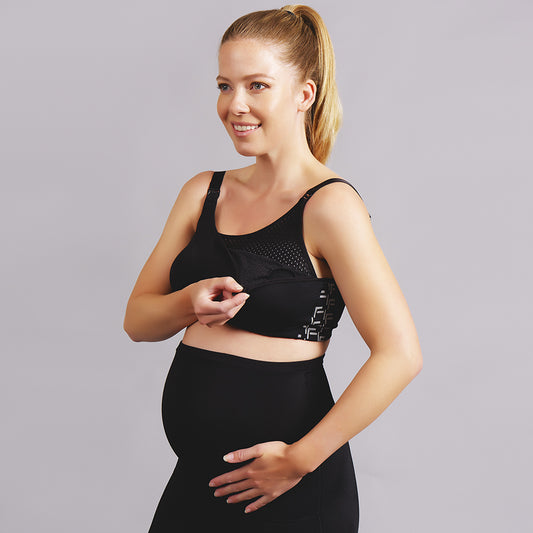
Check out our soft and supportive sports bra:
https://mybelly.dk/products/sports-bra
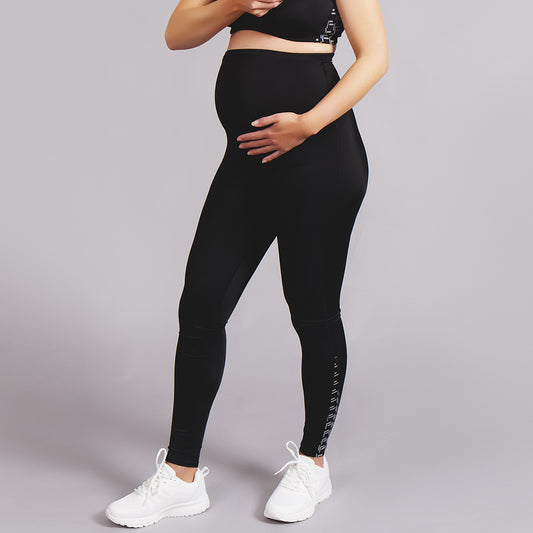
Check out our high-waisted and comfortable training tights:
https://mybelly.dk/products/hoejtaljede-traeningstights-gravid
A calm and stable reconstruction
Pelvic floor exercises during pregnancy and after birth are about supporting the body at its natural pace. Small, calm exercises can make a big difference to both stability and body awareness over time.
The body has undergone a major change. By working with the pelvic floor with patience and care, you can gradually rebuild strength and security in the body.
Knowledge base: Danish National Board of Health, Sundhed.dk, NHS, Danish Society of Obstetrics and Gynecology