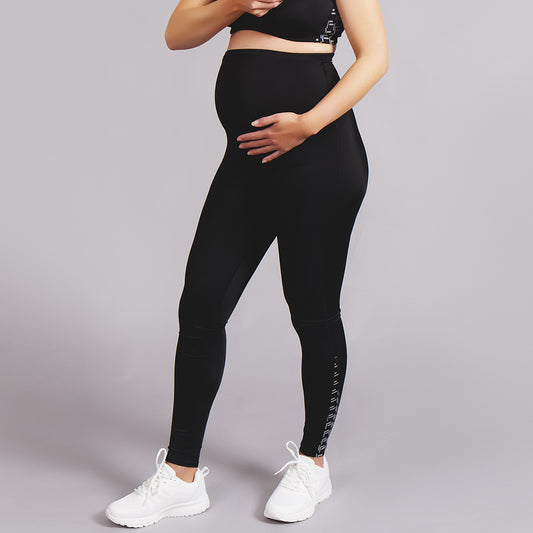
Pregnant week 40 – the term has been reached

Week 40 of pregnancy marks the end of the term. For some, labor is already underway, while others are still in the waiting position. The body is ready, the baby is fully developed, and labor can begin at any time. At the same time, the wait can feel long and emotionally demanding.
For many, week 40 is about balancing anticipation, patience, and trust in the body's timing.
What happens in the body during week 40 of pregnancy?
In the 40th week of pregnancy, the body is fully prepared for birth. The cervix may be soft, shortened, and open to varying degrees. Contractions may be frequent and strong and may gradually transition into regular contractions.
The baby is often deep in the pelvis, which can cause significant pressure in the lower abdomen, groin pain, and frequent toilet visits. Some people find that their stomachs are sunken, which can make breathing easier.
Symptoms in pregnancy week 40
Many pregnant women experience great fatigue, restlessness and tension in their bodies during the 40th week of pregnancy. Sleep can be restless due to contractions, pulling pains, the baby's movements and thoughts. Pain in the pelvis, lower back and hips are common, as are swollen legs and feet.
Some experience mucus discharge or water breaking, which may be a sign that labor is imminent.
What happens to the baby at week 40?
At 40 weeks pregnant, the baby is about 50–52 centimeters long and weighs approximately 3,500–3,700 grams. The baby is fully developed and ready for life outside the womb.
Movements are still evident, but may feel more calm and pushing due to lack of space. The baby is spending time conserving energy and adjusting to birth.
Pregnant week 40 and movements
In week 40 of pregnancy, it is still very important to feel life every day. The movements may be different than before, but they should be there. Pushing, rolling and stretching are normal movements.
If you experience a lack of life or significant changes in the baby's movements, you should contact the maternity ward immediately.
Pregnant week 40 and the belly
This week, the belly is often very large and heavy. For many, the belly sits low, which can cause more pressure in the pelvis, but a little more air in the lungs. This can significantly affect both mobility and comfort.
The need for support, rest and calm movements is great.
What can you do in week 40?
In week 40 of pregnancy, it's all about taking care of yourself and being ready when labor starts. Rest, light movement, and focusing on safety can be helpful. Many find that it's calming to remind themselves that the body and baby are working together.
There's no need to rush anything - your body knows when the time is right.
Thoughts and feelings in pregnancy week 40
The waiting period can be emotionally intense. Impatience, nervousness, excitement, and exhaustion can all coexist. It's perfectly normal to feel ready and at the same time want it to happen soon.
There is no wrong way to feel at this stage.
When should you seek medical attention?
In week 40 of pregnancy, you should contact the maternity ward or midwife if you notice signs of labor such as regular contractions, water breaking, bleeding, fever, severe headache, visual disturbances or clear changes in the baby's movements.
Ready for next week
In week 41 of pregnancy, the pregnancy is considered to be over, and you will typically be monitored more closely by the healthcare system. Read about next week here.
Sources: Sundhed.dk, NHS, Mayo Clinic, American College of Obstetricians and Gynecologists (ACOG)