Pregnant week 39 – the due date is near

Week 39 of pregnancy is right around the time of term, and for many, the wait now feels both intense and filled with anticipation. The body is ready for birth, the baby is fully developed, and labor can in principle begin at any time. At the same time, the days can feel long because everything is ready – but not yet underway.
Week 39 is often about being in a waiting position and finding peace in the fact that the body works at its own pace.
What happens in the body during week 39 of pregnancy?
In week 39 of pregnancy, the body is at its highest alert. The cervix may be soft, shortened and partially open, without labor having started. Contractions can be frequent and strong and can feel very similar to real labor, which can make it difficult to assess when labor will actually start.
The baby is often deep in the pelvis, which can cause increased pressure in the lower abdomen, groin pain and frequent toilet visits. For some, breathing becomes easier, while movement can become more difficult.
Symptoms in pregnancy week 39
Many pregnant women experience pronounced fatigue, restlessness and tension in their bodies during the 39th week of pregnancy. Sleep may be interrupted by contractions, the baby's movements, thoughts and physical discomfort. Pain in the pelvis, lower back and hips are common, as are swollen legs and feet.
Some experience mucus discharge or increased vaginal discharge, which may be a sign that the body is approaching labor.
What happens to the baby at week 39?
At 39 weeks pregnant, the baby is about 50–51 centimeters long and weighs approximately 3,300–3,500 grams. The baby is fully developed and ready for life outside the womb.
Movements are still evident, but slower and more pushing because the space is very limited. The baby is fine-tuning its functions and may gain some weight.
Pregnant week 39 and movements
In week 39 of pregnancy, it is still very important to feel life every day. The movements may feel different than before, but they should be there. Pressing, rolling and stretching are normal.
If you experience fewer movements, lack of life or clear changes in the baby's movement pattern, you should contact the maternity ward or midwife immediately.
Pregnant week 39 and the belly
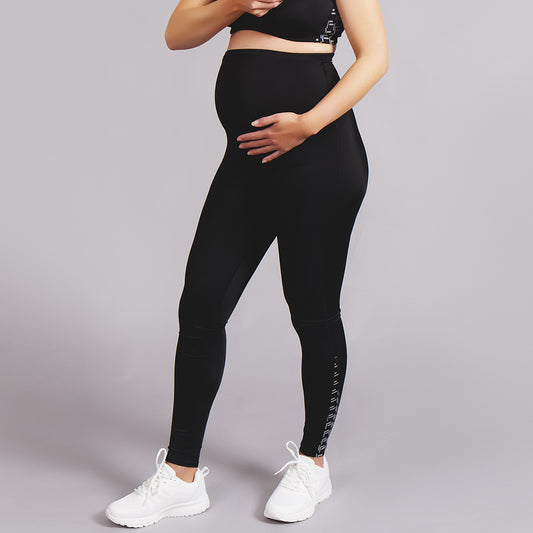
This week, the belly is often large and heavy. For many, the belly sits low, which can cause more pressure in the pelvis and less air in the lungs. This can affect both mobility and comfort in everyday life.
The need for support, rest and calm movements is great.
What can you do in week 39?
In week 39 of pregnancy, it's all about being ready, but at the same time taking care of yourself. Rest, light movement and a focus on well-being can help keep the body in balance. Many find that it helps to let go of the expectation of a specific date and instead be open to the fact that birth will come when the body is ready.
Thoughts and feelings in pregnancy week 39
Waiting can be emotionally demanding. Impatience, nervousness, excitement, and joy can alternate quickly. It's perfectly normal to feel both ready and exhausted at the same time.
There is no right way to have it at this stage.
When should you seek medical attention?
In week 39 of pregnancy, you should contact the maternity ward or midwife if you have signs of labor such as regular contractions, water breaking, bleeding, fever, severe headache, visual disturbances or clear changes in the baby's movements.
Ready for next week
In week 40 of pregnancy, you have reached term, and labor is expected to begin – if it hasn't already started. Read about week 40 here.
Sources: Sundhed.dk, NHS, Mayo Clinic, American College of Obstetricians and Gynecologists (ACOG)