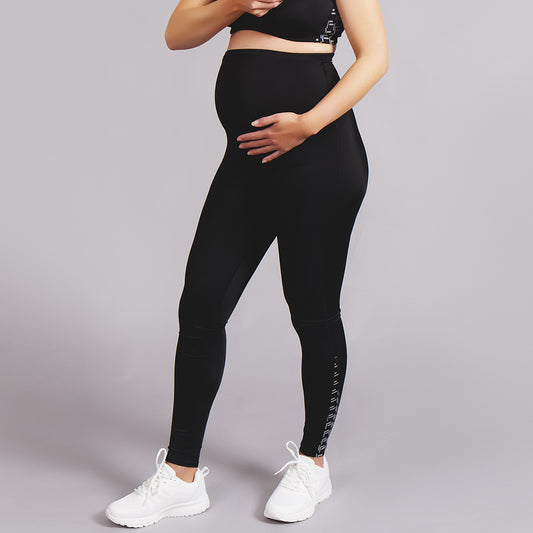
Pregnant week 37 – the pregnancy is full-term

Week 37 of pregnancy marks an important milestone: The pregnancy is now considered full-term. This means that the baby is basically ready to be born, although many still have weeks left until the due date. For many, this week feels both relieving and exciting, because labor can now actually begin at any time.
Week 37 is often characterized by waiting, physical heaviness, and an increased focus on the final preparations.
What happens in the body at week 37 of pregnancy?
At 37 weeks pregnant, the uterus is very large, and the body is actively working to prepare for birth. In some women, the cervix begins to soften and shorten, and contractions may feel more frequent and more pronounced. The baby may also sink further into the pelvis, which can cause increased pressure in the lower abdomen.
For some, it may make breathing easier, while on the other hand it may cause more contractions, pelvic pressure, and more frequent toilet visits.
Symptoms in pregnancy week 37
Many pregnant women experience pronounced fatigue and a great need for rest during the 37th week of pregnancy. Sleep can be restless due to stomach cramps, wandering thoughts and frequent visits to the toilet. Pressure in the pelvis, pain in the lower back and hips, and swollen legs and feet are common symptoms.
Some also experience increased discharge or mucus, which may be a sign that the body is preparing for birth.
What happens to the baby at week 37?
At 37 weeks pregnant, the baby is about 48–49 centimeters long and weighs approximately 2,900–3,100 grams. The baby's organs are fully developed and the lungs are ready to function outside the womb.
The baby continues to gain some weight and fine-tunes its functions. Movements are still evident, but slower and more pushing because the space is limited.
Pregnant week 37 and movements
In week 37 of pregnancy, it is still very important to feel life every day. The movements may feel different than before, but they should be there. Rolling, stretching and pressing are completely normal.
If you experience fewer movements, lack of life or significant changes in the baby's movement pattern, you should contact the maternity ward or midwife immediately.
Pregnant week 37 and the belly
This week, the belly is often very large and heavy. For some, the belly sits lower if the baby has dropped into the pelvis, which can change the body's sensation significantly. This can affect walking, balance and comfort in everyday life.
The need for support, rest and slower movements is often great.
What can you do in week 37?
During week 37 of pregnancy, it's all about being prepared, but at the same time staying calm. Make sure you have practical preparations in place, but also give your body time to rest and recover.
Light exercise can still be beneficial if it feels good, but it is important to listen carefully to your body's signals.
Thoughts and feelings in pregnancy week 37
The waiting period can be overwhelming in week 37 of pregnancy. Anticipation, impatience, nervousness, and joy can change quickly. It's completely normal to feel both ready and unsure at the same time.
There is no right way to have it at this stage.
When should you seek medical attention?
In week 37 of pregnancy, you should contact the maternity ward, midwife or doctor if you notice signs of labor such as regular contractions, water breaking, bleeding, fever, severe headache, visual disturbances or clear changes in the baby's movements.
Ready for next week
In week 38 of pregnancy, birth is even closer, and the body can send several clear signals that it is almost time. Read more about week 38 here.
Sources: Sundhed.dk, NHS, Mayo Clinic, American College of Obstetricians and Gynecologists (ACOG)