Pregnant week 33 – the body is working purposefully towards birth

Pregnant week 33 is well into the third trimester, where the body is increasingly focused on preparation. The belly is big and heavy, the baby's movements are clear, and many experience that both physical and mental energy is more limited. At the same time, there may be a feeling that the finish line is slowly getting closer.
For many, week 33 is about finding peace in pregnancy and making room for the body's pace.
What happens in the body at week 33?
In the 33rd week of pregnancy, the uterus continues to grow and takes up a lot of space in the abdominal cavity. This can put pressure on the diaphragm and make breathing more difficult, especially during activity. The center of gravity is clearly shifted, and the strain on the back, pelvis and hips can be significant.
The amount of blood in the body remains high and the circulation is working intensively. This can cause swollen legs and feet, sensations of heat and the need for frequent breaks during the day.
Symptoms in pregnancy week 33
Many women experience pronounced fatigue and reduced physical energy during the 33rd week of pregnancy. Sleep can be challenged by the stomach, the baby's movements, labor pains and frequent toilet visits. Heartburn, indigestion and shortness of breath are common symptoms.
Contractions may occur frequently and be more pronounced than before. They are usually irregular and subside with rest, but may require further slowing down.
What happens to the baby at week 33?
At 33 weeks pregnant, the baby is about 43–44 centimeters long and weighs approximately 2,000–2,100 grams. The baby continues to gain weight and subcutaneous fat increases, which is important for temperature regulation after birth.
The brain and nervous system continue to develop at a rapid pace. The baby can respond clearly to sounds, light and touch, and movements are powerful, but slower and more jerky due to lack of space.
Pregnant week 33 and movements
For most people, week 33 of pregnancy is marked by daily and noticeable movements. The movements may feel different than before, more like rolling and stretching than rapid kicks. This is because the baby has less space in the uterus.
It is important to continue to feel movement daily. If you experience significant changes in movement, you should contact your doctor or midwife.
Pregnant week 33 and the belly
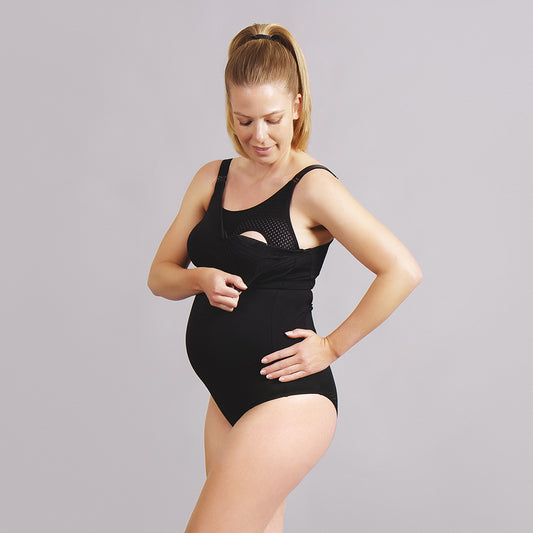
At week 33, most people's stomachs are very large. The uterus is high, and the stomach can feel heavy, tense, and tight. This can affect balance, mobility, and make even small everyday tasks more demanding.
Many people experience a need for extra support in the form of rest, pillows and adjustments to daily routines.
What can you do in week 33?
Pregnancy week 33 is a good time to prioritize recovery. Taking breaks during the day, supporting your back and pelvis, and sleeping in good positions can make a big difference. Light exercise can still be beneficial if it feels good and doesn't cause discomfort.
During this period, many people also begin to gather the last practical threads leading up to the birth and the first time with the baby.
Thoughts and feelings in pregnancy week 33
As the birth approaches, thoughts and emotions can become more intense. Anticipation and joy can mix with uncertainty and the need for security. The body continues to change, and this can affect both mood and energy.
All of these reactions are normal and part of the preparation.
When should you seek medical attention?
In pregnancy week 33, there is generally no need for emergency medical care. If you experience regular painful contractions, persistent abdominal pain, bleeding, fever, sudden severe swelling or clear changes in the baby's movements, you should contact a doctor or midwife.
Ready for next week
In week 34 of pregnancy, the body's preparations for birth continue, and many experience a need for even more calm and planning. Read about week 34 here.
Sources: Sundhed.dk, NHS, Mayo Clinic, American College of Obstetricians and Gynecologists (ACOG)