Pregnant week 23 – more strength and clear development

Pregnant week 23 is firmly in the second trimester, where many experience that the pregnancy feels both stable and very present. The stomach is clearly pregnant, and the baby's movements can often be felt clearly and with greater strength than before. At the same time, the body may begin to give more signals that the load is increasing.
Week 23 is therefore often a combination of the joy of clear contact with the baby and the need to take extra care of the body.
What happens in the body at week 23?
In the 23rd week of pregnancy, the uterus continues to grow and puts more pressure on the surrounding organs. This can affect digestion and breathing, and some people experience mild shortness of breath, especially during activity. The body's center of gravity has changed significantly, which can cause soreness in the back, lower back and pelvis.
The blood volume in the body remains high and the circulation is working intensively. This can lead to feelings of heat, swollen feet or legs, and the need for breaks during the day.
Symptoms in pregnancy week 23
Many women experience a relatively stable phase in their 23rd week of pregnancy, but with new bodily sensations. Fatigue may still be present, especially at the end of the day. Heartburn, indigestion and increased vaginal discharge are common symptoms.
Some also experience leg cramps, especially at night, as well as itching or tightness in the skin on the abdomen as it grows.
What happens to the baby at week 23?
At 23 weeks pregnant, the baby is about 28–29 centimeters long and weighs about 500–550 grams. The baby continues to grow rapidly, and the movements are strong and coordinated. Kicks, rolling, and stretching can be clearly felt by many.
The baby's skin is still thin and wrinkled, but more fatty tissue is forming, which will later help with temperature regulation. The lungs are developing, and the baby is starting to practice breathing movements by inhaling amniotic fluid.
Pregnant week 23 and movements
For most people, week 23 of pregnancy is a week where the baby's movements are clearly felt every day. The movements may feel stronger and more targeted than before. However, there may still be variation from day to day, which is completely normal.
There are not yet set guidelines for movement patterns at this point in pregnancy.
Pregnant week 23 and the belly
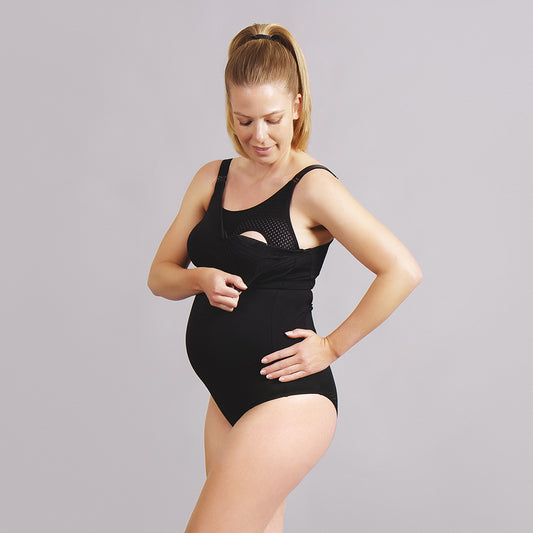
At week 23, most women's stomachs are noticeably pregnant. The uterus is well above the navel, and the body shape has clearly changed. This can affect balance, sleep, and comfort in everyday life.
Many people experience a need for more support, both physical and practical, as their belly grows.
What can you do in week 23?
Pregnancy week 23 can be a good time to prioritize comfort and relief in everyday life. Breaks, good sitting positions and comfortable footwear can make a big difference. Light movement can continue to support both body and well-being, as long as it feels right.
Some also begin to consider birth preparation and the upcoming maternity leave during this period, if this has not already begun.
Thoughts and feelings in pregnancy week 23
For many, pregnancy becomes even more real at week 23. The clear movements can strengthen the connection with the baby, but can also give rise to new thoughts and considerations about birth and parenthood.
It is completely normal for joy and thoughtfulness to exist side by side.
When should you seek medical attention?
In the 23rd week of pregnancy, there is generally no need for emergency medical care. However, if you experience severe pain, persistent bleeding, fever, sudden swelling or other symptoms that worry you, you should always contact a doctor or midwife.
Ready for next week
In week 24 of pregnancy, the baby's growth continues, and for many, the movements become even more powerful and regular. Want to read about week 24? Then read on here.
Sources: Sundhed.dk, NHS, Mayo Clinic, American College of Obstetricians and Gynecologists (ACOG)