Pregnant week 18 – when the pregnancy becomes more present

Week 18 of pregnancy is in the middle of the second trimester, when many experience that pregnancy feels more real and present. The body has largely become accustomed to the hormonal changes, and for many, everyday life is more stable than earlier in pregnancy. At the same time, contact with the baby can begin to feel more concrete, as movements become clearer.
Week 18 can therefore be characterized by both physical well-being and a growing sense of connection to the little life in the womb.
What happens in the body at week 18?
In week 18 of pregnancy, the uterus continues to grow and now takes up a larger part of the abdomen. This can further affect posture and balance, and some experience tension in the back, pelvis or hips. The body's circulation is still working hard, and the amount of blood has increased, which can cause feelings of heat or slight dizziness.
Hormones are relatively stable, but the body is still using a lot of resources for pregnancy. This can be felt as fatigue, especially at the end of the day.
Symptoms in pregnancy week 18
Many people experience fewer discomforts in the 18th week of pregnancy than in the first trimester. Appetite is often more stable and energy is better. However, fatigue can still occur, especially if the body is physically stressed.
Other common symptoms may include increased vaginal discharge, nosebleeds, bleeding gums, or a slight stretching sensation in the abdomen as the skin gives in. Some also experience skin changes, such as pigmentation or itching.
What happens to the baby at week 18?
At 18 weeks pregnant, the baby is about 14–15 centimeters long and weighs about 190–200 grams. The baby is growing rapidly and the muscles are getting stronger. The movement pattern is more coordinated, and the baby can actively stretch, bend and twist the body.
The baby's senses are developing, and hearing is slowly starting to function. The baby can respond to sounds and movements from outside, even though it is still early in development.
Pregnant week 18 and movements
For many, week 18 of pregnancy is the week when the baby's movements begin to be felt more clearly. It can feel like small puffs, rolls or bubbles in the stomach. For others, it still takes a while before the movements become noticeable, and both are completely normal.
The experience of movement can vary from day to day and depends on the baby's position and activity, among other things.
Pregnant week 18 and the belly
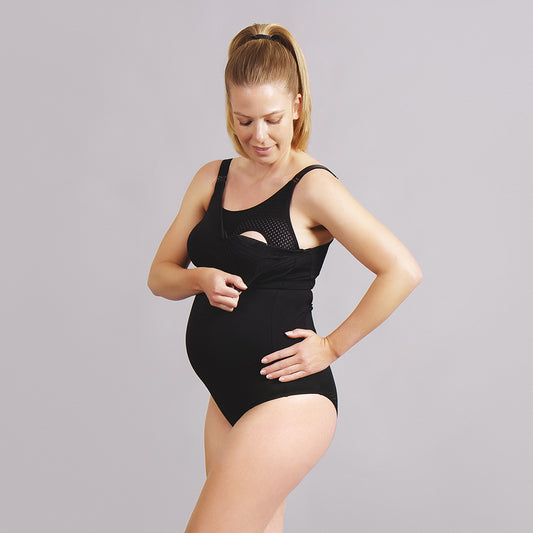
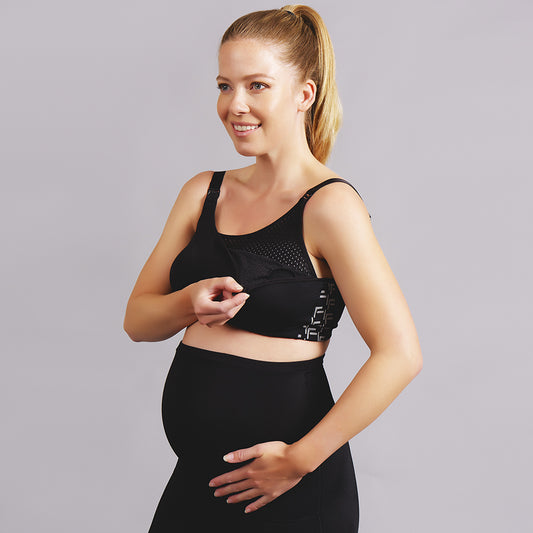
At week 18, most people's stomachs are clearly pregnant. The uterus can be felt high up in the abdomen, and the shape of the body has changed significantly. Some feel more at home in their pregnant bodies, while others are still getting used to the changes.
All experiences are normal and individual.
What can you do in week 18?
Week 18 of pregnancy can be a good time to be aware of your body's need for support, such as good shoes, breaks, and proper posture. Light exercise can still be beneficial if it feels right.
Many people also begin to prepare for the upcoming malformation scan during this period, which typically occurs around week 20.
Thoughts and feelings in pregnancy week 18
Anticipation can grow in pregnancy week 18, especially if the baby's movements are felt. At the same time, pregnancy can feel more real, which can give rise to both joy, thoughtfulness and new considerations about the future.
There is no right way to have it.
When should you seek medical attention?
In the 18th week of pregnancy, there is generally no need for emergency medical care. However, if you experience severe pain, persistent bleeding, fever or symptoms that worry you, you should always contact a doctor or midwife.
Ready for next week
In week 19 of pregnancy, development continues, and for many, the baby's movements become even more evident. Read more about week 19 here
Sources: Sundhed.dk, NHS, Mayo Clinic, American College of Obstetricians and Gynecologists (ACOG)