Nursing pads – which ones should you choose?

Once breastfeeding is established, many quickly discover that breasts don't always follow a set rhythm. Milk can let down unexpectedly, breasts can feel engorged, and leakage can occur when least expected. This is where nursing pads can be a small but incredibly important support in everyday life.
Nursing pads are not just about protecting clothes. They are also about comfort, security, and feeling at ease in a body that is still changing.
Why do many people use nursing pads?
At the start of the breastfeeding period, the body often produces more milk than the baby needs. This is a natural part of the body finding its balance, but it can also mean leakage – both during the day and at night.
Nursing pads help you to:
- Keep skin dry and prevent irritation.
- Protect your clothes from stains.
- Provide discretion and security when you are out.
- Increase comfort in your bra, allowing you to relax more.
Disposable or reusable nursing pads?
There are generally two types: disposable pads and reusable pads. What works best is highly individual:
- Disposable pads: Often thin, discreet, and easy to carry in your bag. They are ideal if you are on the go and don't have the opportunity to wash pads immediately.
- Reusable pads: Can be washed and used again and again. They often feel softer against the skin and are a more sustainable choice in the long run.
Many mothers prefer to combine them – for example, reusable pads when they are at home and disposable pads when they are out.
What materials should you look for?
The choice of material is about comfort, breathability, and absorbency.
- Wool and silk: Often highlighted for their temperature-regulating properties, which are great for keeping the breast warm and preventing mastitis.
- Bamboo and cotton: Are often perceived as light, breathable, and extra soft against the skin during a period when breasts are particularly sensitive.
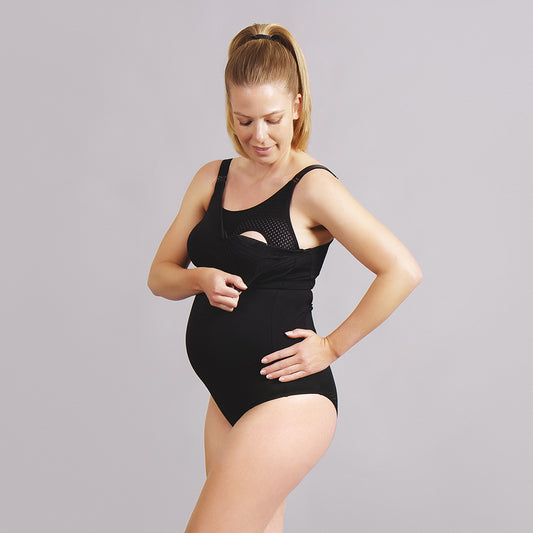
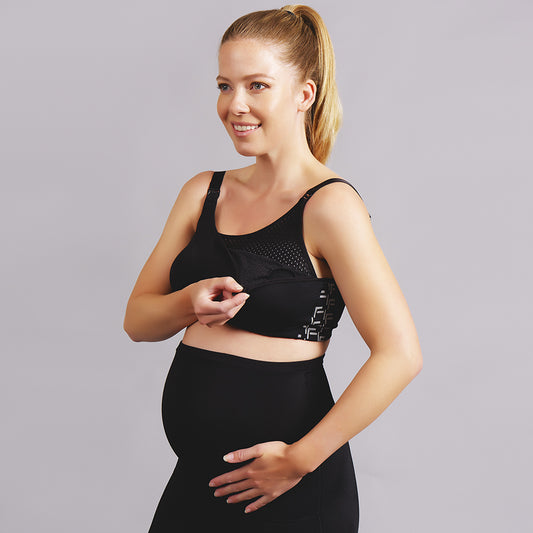
Remember that no matter which type you choose, nursing pads work best with a supportive and flexible nursing bra that holds them securely in place without constricting.
The interaction between nursing bra and pads
A good nursing bra is the foundation for the nursing pads to sit correctly. If the bra is too tight, it can press on the milk glands, which can be uncomfortable. A well-fitting bra ensures that the pad doesn't shift and that you don't feel damp or irritated.
Find the bra that suits you:
- Read our guide: Nursing bra & maternity clothes – complete guide
- Read our guide: Best nursing bra – how to choose correctly
- Do you need extra support? See our guide to nursing bras for large busts
Nighttime leakage
Many experience that their breasts leak most at night or early in the morning. Here, nursing pads can provide peace of mind and reduce the worry of waking up with damp nightwear or bedding. Some prefer to sleep with a soft nursing bra and pads, while others only place pads in their nightwear. The most important thing is to find the solution that gives you the most rest.
When the body finds its rhythm
For most, milk production will stabilize over time, and the need for nursing pads may change. Some use them for many months, while others only need them during the initial intense startup period. Both are completely normal. Listen to your body and choose what feels comfortable in your daily life right now.
Small things like soft nursing pads and a well-fitting bra can make a big difference to your comfort. When your breasts feel dry and supported, it brings more calm to your body, allowing you to focus on what matters most: the close moments with your baby.
Knowledge base: General health knowledge about posture, breast support, and bodily changes during pregnancy and breastfeeding.